










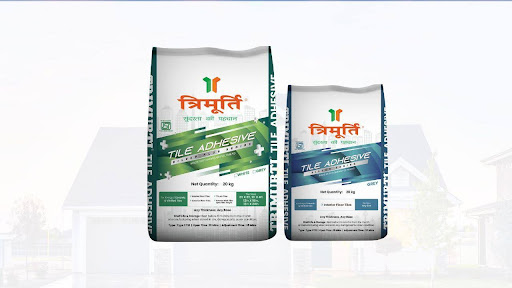
Interior surfaces today are expected to deliver durability, precision, and visual consistency across a wide range of residential and commercial applications. Tiles have moved far beyond basic flooring or wet-area use and are now integral to living spaces, work environments, and high-traffic interiors. This growing reliance has placed greater importance on the best adhesive for tiles solutions, which determine how well tiles perform under load, moisture exposure, and long-term use. Modern bonding systems now play a central role in ensuring alignment, stability, and finish quality across interior surfaces.
The Evolution of Tile Fixing in Modern Construction
Tile fixing has evolved significantly as construction methods, materials, and expectations have changed. Traditional cement slurry methods offered limited flexibility and relied heavily on installer judgment, often resulting in uneven adhesion and inconsistent performance. As tile sizes increased and substrates diversified, these limitations became more apparent. Modern bonding solutions are engineered to address these challenges through controlled chemistry, improved adhesion strength, and predictable behavior, enabling greater accuracy and durability in interior tile installations.
Shift from manual mixing to engineered consistency
Engineered adhesive systems are factory-formulated to deliver uniform performance across batches. This reduces dependency on on-site mixing accuracy, minimizes material inconsistency, and ensures predictable bonding behavior regardless of installer experience or site conditions.
Support for larger tile formats
As tile sizes increase, weight and surface stress also rise. Advanced bonding solutions are designed to handle these loads evenly, preventing tile slippage, edge lifting, and long-term debonding in vertical and horizontal applications.
Faster and more controlled installation workflows
Controlled open time and setting behavior allow installers to work efficiently without rushing placement. This improves alignment accuracy while reducing corrective adjustments and material wastage during installation.
Substrate Preparation as the Foundation of Tile Performance
No bonding solution can perform reliably without a stable and well-prepared substrate. Surface conditions directly influence adhesion strength and long-term durability. Uneven, dusty, or moisture-retaining surfaces often lead to hollow sounds, tile displacement, or surface failure. Modern installation standards emphasize substrate assessment and preparation as essential steps, ensuring compatibility between the base surface and the selected adhesive system.
Understanding the Role of Chemical Engineering in Tile Adhesives
Modern tile bonding materials are the result of deliberate chemical formulation rather than simple cement blending. Each tile chemical component is selected to enhance specific performance characteristics such as flexibility, bonding strength, and environmental resistance. This engineered approach ensures adhesives respond predictably to interior conditions, providing consistent results across different surfaces and usage patterns.
Polymer modification for stress absorption
Polymer additives improve flexibility within the adhesive layer, allowing it to absorb minor substrate movement. This reduces the risk of cracking or bond failure caused by temperature changes or structural settling.
Controlled curing and open time
Balanced formulations provide sufficient working time for tile placement while still achieving dependable final strength. This balance helps prevent rushed installations or weak bonds caused by premature setting.
Resistance to moisture and temperature changes
Chemical modifiers enhance resistance to humidity and thermal variation, ensuring the adhesive maintains performance in kitchens, bathrooms, and temperature-sensitive interiors.
Compatibility Between Adhesives and Interior Wall Systems
Interior walls vary widely in composition, ranging from concrete and plaster to gypsum boards and prepared wall finishes. Adhesives must be compatible with these substrates to perform effectively. Incompatible systems can lead to adhesion failure or surface damage. Coordinated material selection ensures that adhesives, primers, and surface treatments function cohesively rather than independently.
Installation Practices That Define Bond Strength
Even high-quality adhesives depend on correct application practices to deliver expected performance. Mixing accuracy, application technique, and curing conditions all influence bond integrity. Skilled installers follow standardized methods to ensure full tile contact, uniform load distribution, and long-term stability. Proper execution reduces defects and enhances surface durability in both residential and commercial interiors.
Correct mixing ratios and consistency
Maintaining recommended proportions ensures that the adhesive develops proper strength and workability. Overwatering or under-mixing can weaken bonding performance and reduce durability.
Even adhesive distribution
Uniform application ensures full contact between tile and substrate. This prevents hollow pockets that compromise load-bearing capacity and lead to premature tile failure.
Adequate curing before use
Allowing sufficient curing time before loading or exposure ensures the adhesive reaches its designed strength. Premature use can disrupt bond formation and reduce service life.
Durability Expectations in Interior Tile Applications
Interior tiles must withstand foot traffic, furniture movement, cleaning agents, and environmental changes over time. Adhesive systems must maintain strength and flexibility under these conditions without degradation. Durable bonding solutions reduce maintenance frequency and help preserve surface appearance, contributing to long-term interior performance and cost efficiency.
Moisture Control in Tiled Interior Environments
Moisture remains a critical consideration even for indoor tiled surfaces. Areas such as kitchens, washrooms, and utility spaces experience repeated water exposure. Adhesives must resist moisture penetration while maintaining bond integrity. Effective moisture management also involves proper surface sealing and compatible preparation layers, ensuring the complete system protects the finished surface.
Integration With Wall Preparation Materials
Tile bonding performance is closely linked to wall preparation quality. Smooth, stable wall surfaces allow adhesives to achieve full contact and strength. Poorly prepared walls compromise adhesion regardless of adhesive quality. Coordinated use of preparation materials enhances finish consistency and reduces long-term failure risks.
Improved surface uniformity
Prepared wall surfaces reduce uneven stress across tiles and improve alignment accuracy. This supports both aesthetic consistency and structural stability.
Controlled absorption rates
Reduced surface porosity ensures consistent adhesive curing and prevents premature moisture loss that can weaken bonds.
System-wide performance stability
When preparation and bonding materials work together, the overall system becomes more resilient to stress, movement, and environmental exposure.
Long-Term Performance and Maintenance Considerations
Well-installed tile systems are designed to deliver extended service life with minimal intervention. Adhesives that maintain flexibility and adhesion strength reduce the likelihood of cracking, hollow tiles, or debonding. Long-term performance depends on compatibility between materials, correct installation practices, and appropriate application environments, reinforcing the value of system-based material selection.
Summary
Advanced tile bonding solutions have become essential to achieving durable, precise, and visually consistent interior surfaces. From engineered chemical formulations to coordinated surface preparation and installation practices, each element contributes to long-term performance. Topics such as adhesive flexibility, moisture resistance, and compatibility with wall systems continue to shape modern interior construction. Trimurti Products reflects these priorities through a practical approach to surface preparation and bonding solutions, with Trimurti products supporting interior applications across adhesives, wall preparation systems, and complementary materials, including Trimurti expert wall putty.