










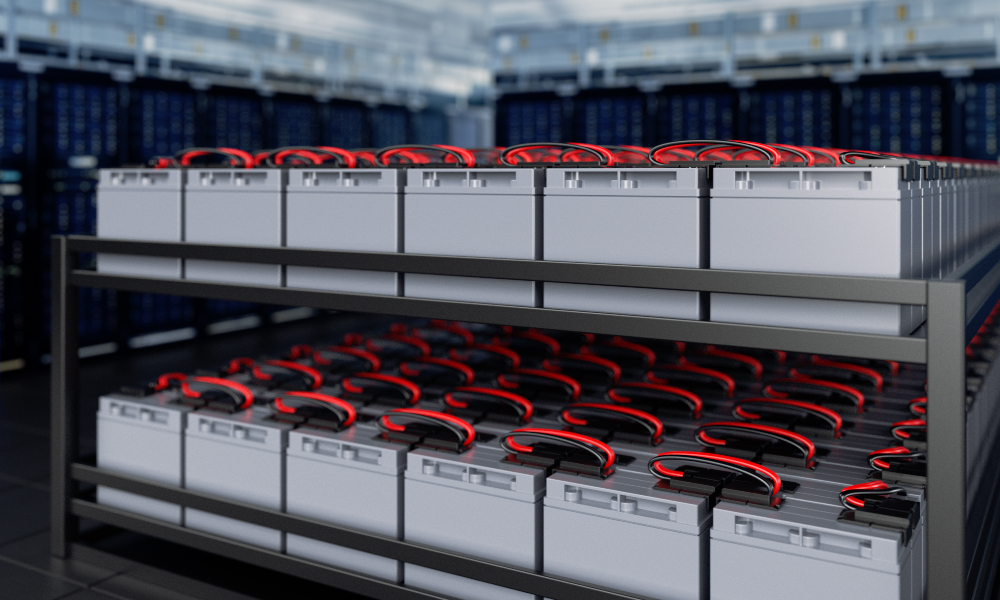
Energy storage technologies rely heavily on material science to maintain reliability, durability, and operational stability. In battery systems, conductive additives play a critical role in improving electrical performance, charge acceptance, and long-term efficiency. Among these materials, Carbon black for lead acid batteries has become an essential component in optimizing electrode conductivity and maintaining battery consistency in demanding applications.
Lead-acid batteries remain widely used across industrial sectors such as automotive systems, backup power infrastructure, and energy storage installations. As operational requirements grow more demanding, manufacturers increasingly integrate advanced conductive additives to strengthen battery structure, improve cycling performance, and extend the service life of energy storage systems.
Conductive Material Integration in Battery Electrode Design
Battery electrodes must maintain consistent conductivity while enduring repeated charge and discharge cycles. Conductive additives are incorporated into electrode structures to support electron transfer, reduce internal resistance, and stabilize the electrochemical environment. Within this design framework, materials like Carbon black for lead-acid batteries serve as important components that enhance the distribution of electrical pathways across the electrode surface.
Key Contributions of Conductive Additives in Electrodes
- Enhanced Electrical Pathway Distribution
Conductive additives create interconnected networks inside the electrode matrix, allowing electrons to travel more efficiently between active materials and the current collector. This structural network improves conductivity and helps maintain stable battery output during heavy usage conditions. By reinforcing the internal structure of the electrode, additives contribute to consistent current flow and improved operational reliability. - Improved Charge Acceptance During Cycling
In lead-acid batteries, efficient charge acceptance is critical for maintaining performance across multiple cycles. Conductive materials assist in facilitating rapid electron transfer, enabling the electrode to respond more effectively during charging phases. This improvement supports better energy absorption, reducing energy losses and increasing the battery’s overall charging efficiency. - Reduction of Internal Resistance
Internal resistance directly affects battery efficiency and thermal stability. Conductive additives help minimize resistance by strengthening electrical contact among electrode particles. Reduced resistance ensures smoother energy transfer, preventing overheating and improving the battery’s overall operational safety in industrial applications. - Stabilized Electrochemical Reactions
Battery electrodes rely on balanced electrochemical reactions to maintain consistent output. Conductive materials distribute current more evenly across the electrode surface, preventing localized stress points and irregular reaction zones. This stability helps preserve electrode structure and supports long-term battery reliability. - Support for Structural Integrity of Active Materials
During repeated cycling, electrode materials may experience expansion, contraction, and mechanical stress. Conductive additives act as structural stabilizers that reinforce the electrode framework. This reinforcement allows the electrode to maintain its physical integrity, ensuring consistent battery performance over extended operational periods.
Performance Enhancement Through Advanced Material Engineering
Modern battery manufacturing increasingly integrates engineered conductive additives that improve performance while maintaining cost efficiency. These materials are carefully selected to balance conductivity, dispersion properties, and compatibility with electrode components. In certain battery designs, the integration of additives supports the development of advanced systems often associated with evolving carbon battery technologies.
Material Engineering Benefits in Battery Performance
- Improved Electron Mobility Across Electrodes
Conductive materials enhance the mobility of electrons throughout the electrode structure, enabling faster response during energy transfer processes. Improved electron mobility contributes to efficient battery operation and helps maintain consistent power delivery during demanding industrial tasks. - Better Utilization of Active Materials
Advanced additive integration ensures that a greater portion of the electrode material actively participates in electrochemical reactions. When electron pathways are evenly distributed, active materials can operate more efficiently, improving the battery’s energy output and overall performance stability. - Enhanced Cycling Stability
Repeated charge and discharge cycles can gradually degrade battery electrodes. Engineered conductive additives reduce structural stress and help preserve the functional integrity of the electrode surface. This stabilization contributes to longer cycle life and more reliable battery performance over extended periods. - Improved Thermal Management
Battery systems generate heat during operation, particularly during rapid charging or heavy discharge conditions. Conductive materials help distribute electrical current more evenly, reducing localized heat buildup. This improved thermal balance protects electrode components and supports safer battery operation. - Support for Advanced Energy Storage Technologies
Continuous material innovation has contributed to the development of energy storage systems that combine durability with improved efficiency. Conductive additives assist in bridging the gap between traditional battery designs and modern storage systems, enabling technologies often associated with advanced carbon battery solutions to achieve improved conductivity and performance.
Material Optimization for Long-Term Battery Durability
Battery longevity depends on the ability of electrode materials to maintain structural and electrical stability over time. Conductive additives contribute significantly to this objective by supporting consistent conductivity while minimizing degradation. Carefully engineered materials enhance the electrode’s ability to withstand repeated cycling and environmental stress.
Durability Advantages of Conductive Additives
- Long-Term Structural Stability
Conductive materials strengthen the electrode framework, allowing it to maintain structural integrity during prolonged use. By supporting the internal arrangement of active materials, additives help reduce mechanical wear and prevent early degradation of battery components. - Improved Electrochemical Consistency
Maintaining uniform electrochemical activity is essential for reliable battery performance. Conductive additives help distribute electrical current evenly across the electrode surface, ensuring that reactions occur consistently without causing localized damage or instability. - Resistance to Performance Degradation
Over time, battery electrodes can lose efficiency due to material breakdown or uneven reaction patterns. Conductive additives reduce these risks by stabilizing electron pathways and supporting balanced energy transfer across the electrode matrix. - Enhanced Operational Reliability
Industrial applications require batteries that perform reliably under continuous or demanding conditions. Conductive additives contribute to consistent electrical performance, helping batteries maintain stable output and dependable operation throughout their service life. - Compatibility with Evolving Battery Technologies
Battery design continues to evolve with new materials and performance requirements. Conductive additives remain adaptable to different electrode formulations, making them valuable components for both traditional and advanced battery systems.
Conclusion
Conductive additives play a vital role in strengthening lead-acid battery performance by improving electrical pathways, stabilizing electrochemical reactions, and enhancing long-term durability. These materials help ensure that battery systems maintain efficiency, reliability, and structural integrity across a wide range of industrial applications. Continuous innovation in additive technology also supports the broader advancement of energy storage solutions.
Within this evolving landscape, organizations committed to material innovation contribute significantly to the progress of battery technology. Through advanced research and sustainable material development, Birla Carbon continues to support industries with high-performance conductive materials designed to enhance battery efficiency and reliability. The company’s focus on sustainable material solutions, including circular carbon black, reflects an ongoing commitment to improving energy storage technologies while supporting environmentally responsible manufacturing practices.