









In today’s digital environment, businesses generate and store enormous amounts of sensitive data, including financial records, customer information, and internal documents. When this data is no longer required, simply deleting files or discarding storage devices is not enough to guarantee security. This is where a certified data destruction service becomes essential.
Professional data destruction ensures that confidential information is permanently erased or destroyed, preventing unauthorized access and protecting organizations from potential data breaches.
As data protection regulations become stricter and cyber risks continue to evolve, companies must adopt responsible methods for disposing of obsolete data and electronic devices. Certified data destruction services provide businesses with a secure, verifiable, and compliant way to manage sensitive information throughout its lifecycle.
Understanding Certified Data Destruction
Certified data destruction refers to the secure and verified process of permanently eliminating data from storage devices such as hard drives, servers, laptops, mobile devices, and backup tapes. Unlike basic deletion methods, certified destruction uses specialized technologies and processes to ensure that data cannot be recovered.
Common Data Destruction Methods
Businesses typically rely on several techniques to destroy data securely:
- Data wiping: Overwriting existing data multiple times to make recovery impossible.
- Degaussing: Using strong magnetic fields to erase data from magnetic storage devices.
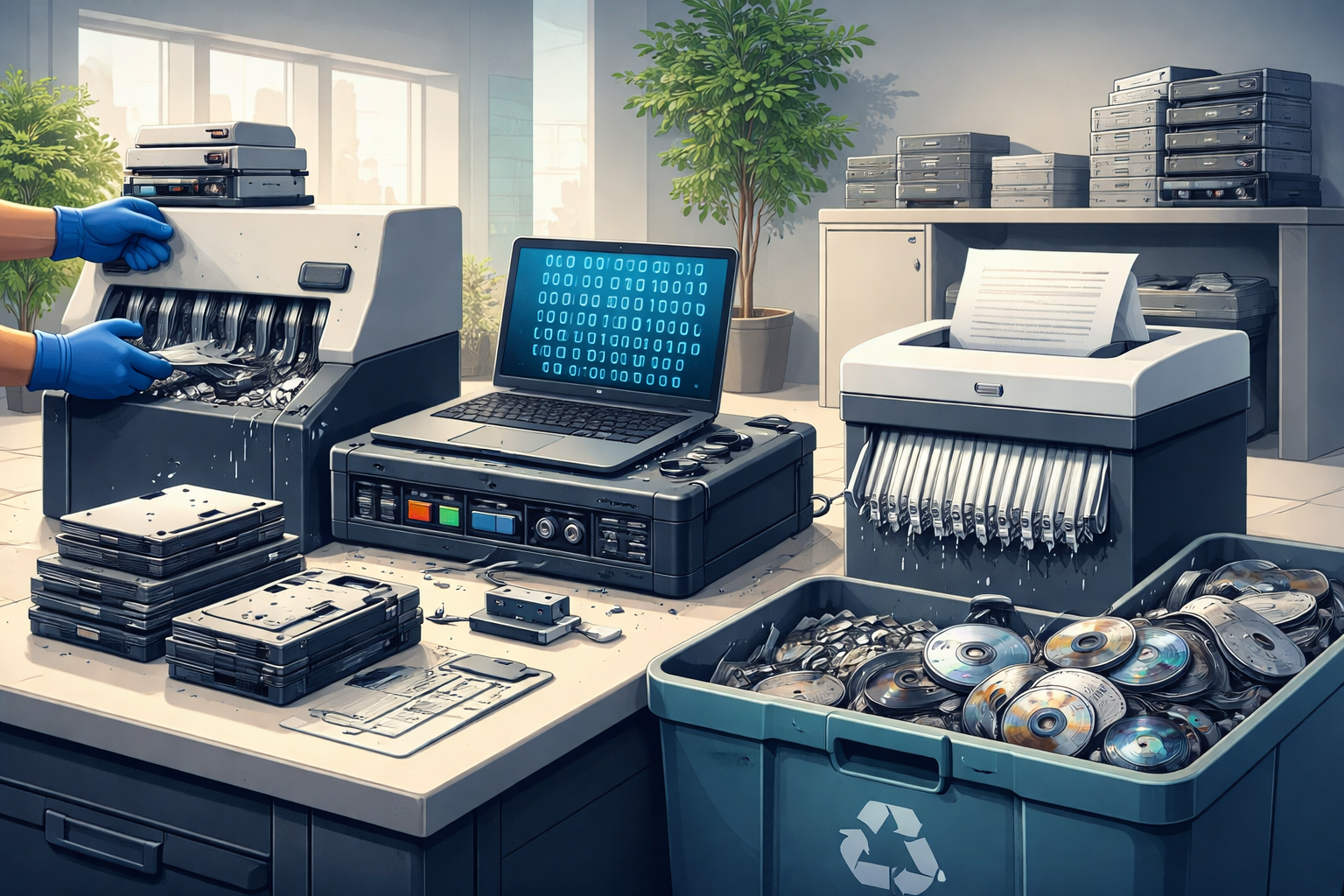
- Physical destruction: Shredding, crushing, or dismantling storage devices.
Organizations that rely on a certified data destruction service can ensure that each process follows established security standards and generates official documentation confirming the destruction.
Why Businesses Need Certified Data Destruction
Data breaches can cause serious financial losses, legal complications, and reputational damage. Proper data disposal plays a critical role in protecting sensitive information and maintaining customer trust.
1. Protection Against Data Breaches
Improper disposal of storage devices can expose confidential information to unauthorized individuals. Even discarded hard drives may still contain recoverable data.
Certified destruction ensures that:
- Sensitive files are permanently eliminated
- Devices cannot be reused to retrieve confidential information
- Businesses avoid accidental data leaks
This level of security is especially important for organizations handling personal, financial, or proprietary data.
2. Compliance with Data Protection Regulations
Many industries are governed by strict data privacy regulations that require businesses to securely dispose of information once it is no longer needed.
Examples of regulated industries include:
- Financial services
- Healthcare
- Government institutions
- Legal organizations
A professional certified data destruction service helps businesses comply with these regulatory requirements by providing documented proof of secure data disposal.
3. Safeguarding Business Reputation
Trust is a vital asset for any organization. Customers and partners expect companies to protect their sensitive information throughout its lifecycle.
Failure to properly destroy outdated data can lead to:
- Loss of customer confidence
- Negative publicity
- Legal penalties
By implementing secure data destruction procedures, companies demonstrate a strong commitment to information security and responsible data management.
The Data Destruction Process
Professional data destruction services follow structured procedures to ensure maximum security and transparency.
Step-by-Step Data Destruction Workflow
- Inventory Assessment: Businesses identify the devices or storage media containing sensitive information.
- Secure Collection: Devices are collected and transported following strict chain-of-custody protocols.
- Data Destruction Method Selection: Experts choose the appropriate method based on the type of storage device.
- Verification and Documentation: After destruction, a certificate is issued confirming that the data has been permanently eliminated.
Companies that partner with providers of certified data destruction service solutions gain confidence that each step follows strict security standards.
Certified Data Destruction vs. Basic Data Deletion
Many organizations mistakenly assume that deleting files or formatting drives is enough to remove sensitive information. However, these methods often leave recoverable traces of data.
| Method | Security Level | Data Recovery Possibility |
| File Deletion | Low | High |
| Drive Formatting | Moderate | Possible |
| Data Wiping | High | Very Low |
| Physical Destruction | Maximum | None |
Certified destruction methods ensure that data is permanently eliminated and cannot be reconstructed by forensic recovery techniques.
Environmental Responsibility in Data Destruction
Modern businesses are increasingly focused on sustainability, recognizing that environmentally responsible practices are essential for long-term success. Responsible disposal of electronic equipment is a critical part of these operations, as improper handling can not only harm the environment but also lead to regulatory violations and potential liabilities.
Certified data destruction providers often include recycling practices in their services, ensuring electronic waste is safely processed and valuable materials recovered, allowing organizations to protect sensitive information while supporting eco-friendly business practices.
Environmental Benefits
- Reduces electronic waste accumulation
- Supports recycling of valuable materials
- Minimizes environmental impact
By combining data security with environmentally responsible recycling, organizations can protect both their information and the planet.
Industries That Benefit Most from Certified Data Destruction
While all businesses should manage data responsibly, certain industries particularly benefit from certified destruction services.
Key Sectors
- Financial institutions: Handling sensitive financial records.
- Healthcare providers: Managing patient data and medical histories.
- Corporate enterprises: Storing proprietary business information.
- Government agencies: Protecting classified or confidential documents.
These organizations rely on robust security practices to ensure that sensitive data never falls into the wrong hands.
Key Features of Reliable Data Destruction Services
When selecting a data destruction provider, businesses should look for services that offer transparency, compliance, and verified processes.
Important Factors to Consider
- Certified and documented destruction procedures.
- Secure transportation and chain-of-custody protocols.
- Compliance with data protection standards.
- Environmentally responsible recycling practices.
- Detailed reporting and certification.
Working with experienced providers ensures that data destruction processes meet both security and environmental requirements.
Conclusion
In an era where information security is critical, businesses must adopt reliable strategies to manage and dispose of sensitive data. Certified destruction services offer a secure and verifiable way to eliminate outdated data while protecting organizations from breaches, regulatory risks, and reputational damage. Implementing professional solutions such as a certified data destruction service in Dubai helps companies strengthen their data protection strategies and maintain responsible information management practices.
If you are looking for professional electronic recycling and secure data disposal solutions, Planet Green Recycling (L.L.C.) offers comprehensive services that combine certified data destruction with sustainable e-waste recycling. The company focuses on environmentally responsible processes and efficient disposal practices, helping organizations protect sensitive information while contributing to a cleaner and more sustainable future.