










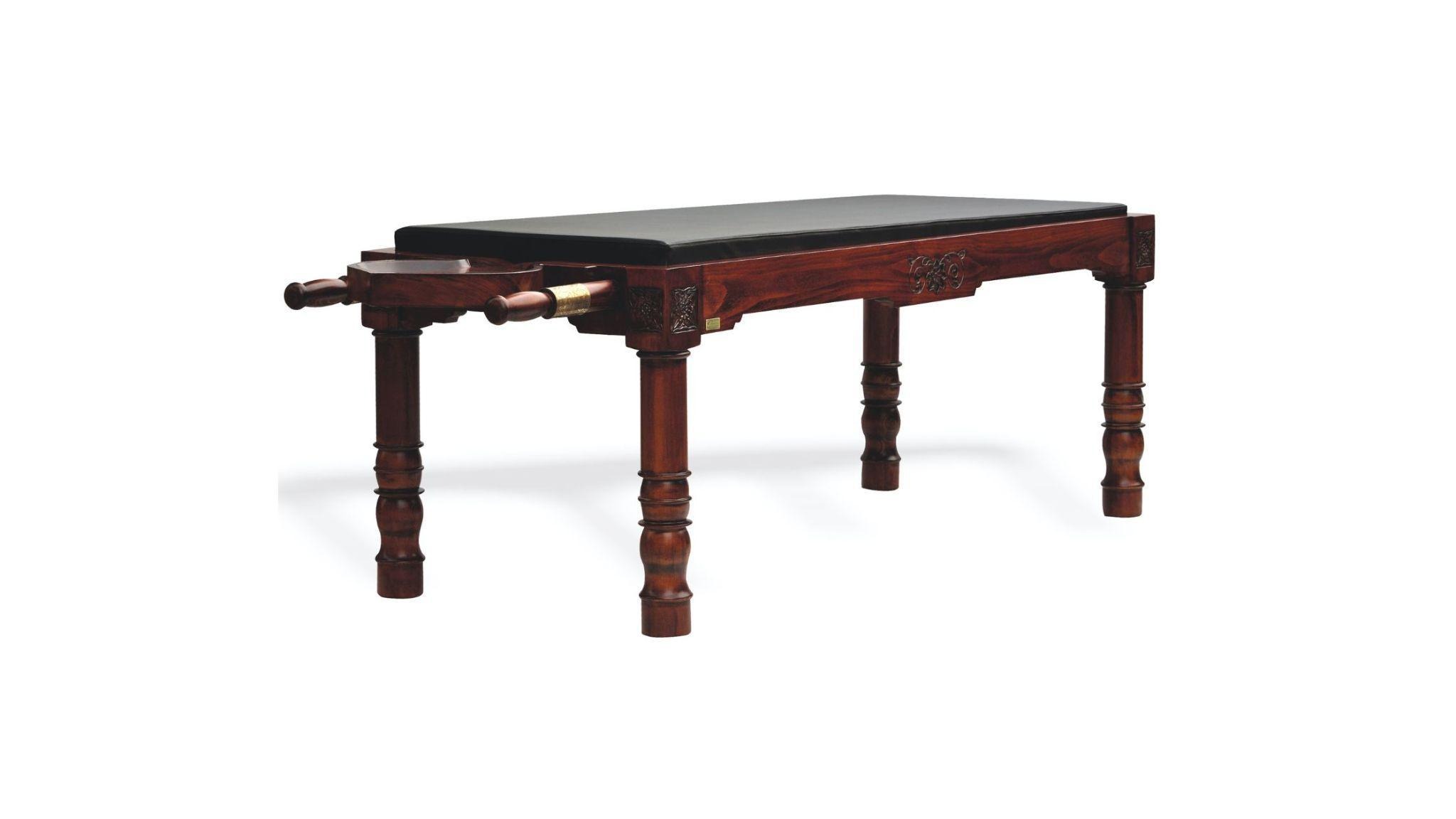
Modern wellness centers are no longer designed only for treatments. They are carefully planned environments created to help people relax mentally, physically, and emotionally. From the moment guests enter a therapy room, every detail contributes to their overall experience. Lighting, aroma, textures, and furniture all work together to create a calm atmosphere that encourages comfort and trust. The use of a well-designed Shirodhara Massage Bed has become an important part of creating these restorative wellness spaces because treatment furniture directly affects relaxation and therapeutic support.
The Growing Importance of Wellness-Focused Interiors
Wellness interiors have evolved significantly over the years. Earlier therapy spaces often focused only on functionality, with limited attention given to emotional comfort or aesthetics. Today, visitors expect environments that feel peaceful, warm, and thoughtfully designed.
This shift has encouraged wellness businesses to pay closer attention to interior planning. Treatment rooms are now designed to reduce stress rather than simply provide services. Soft lighting, natural materials, and uncluttered layouts create a slower and more calming atmosphere that helps guests disconnect from daily pressures.
People increasingly associate wellness with overall experience rather than treatment alone. A thoughtfully designed environment therefore becomes an essential part of customer satisfaction and long-term client loyalty.
Natural Materials Creating a Sense of Calmness
Natural materials continue to play a major role in modern therapy interiors. Wooden furniture, soft fabrics, and earthy textures help create a sense of grounding that supports emotional relaxation.
Wood, in particular, has a timeless appeal that aligns naturally with holistic wellness philosophies. Many wellness spaces choose handcrafted wooden furniture because it creates warmth without appearing overly decorative or artificial.
Practical performance remains equally important. Wellness furniture must withstand oils, regular cleaning, and continuous daily use while maintaining both durability and visual appeal. Businesses therefore seek materials that combine long-term functionality with natural aesthetics.
Comfort Supporting Better Therapy Experiences
Physical comfort is one of the most important elements in any wellness session. Even minor discomfort can interrupt relaxation and distract clients during therapies. This is why treatment furniture must provide proper body support and stability throughout the session.
Comfort-focused therapy furniture allows guests to relax fully without unnecessary strain. Proper cushioning, balanced structure, and ergonomic design help maintain physical ease during both short and long treatments.
A carefully designed Ayurvedic Massage Table supports smoother therapy experiences by helping maintain comfortable body positioning. This allows therapists to work more effectively while improving the overall comfort of the guest.
Interior Layouts Encouraging Mental Relaxation
The layout of a wellness space strongly influences how people emotionally respond to it. Crowded or visually busy interiors can create tension instead of calmness. Modern therapy spaces therefore focus on openness, simplicity, and smooth movement.
Minimalist layouts help treatment rooms feel more spacious and peaceful. Furniture placement is carefully planned to allow comfortable therapist movement while avoiding unnecessary clutter.
This balance creates an atmosphere where guests can mentally slow down and focus entirely on relaxation. Open layouts also improve the flow of natural light and air within the room, making the environment feel lighter and more welcoming.
Specialized Furniture Supporting Traditional Therapies
Traditional wellness therapies often require specialized treatment setups designed for specific techniques and procedures. Generic furniture may not provide the support or functionality needed for these therapies.
Specialized wellness furniture helps preserve the authenticity of traditional healing methods while improving comfort and practicality. Features such as ergonomic positioning, oil-resistant surfaces, and stable structures support smoother treatment delivery.
This attention to functionality also enhances the client experience because sessions can continue more smoothly without interruptions or constant adjustments.
Sensory Design Enhancing Wellness Environments
A successful wellness environment appeals to more than just visual aesthetics. Sound, texture, scent, and physical comfort all contribute to the emotional atmosphere within a therapy space. The presence of a thoughtfully designed Ayurvedic Massage Table can further enhance this calming environment by supporting both comfort and traditional wellness aesthetics.
Soft lighting creates warmth and reduces visual stress. Gentle aromas encourage calmness and help guests disconnect from external distractions. Natural textures provide a comforting sensory connection that feels more human and authentic.
Furniture plays a central role within this sensory experience because it combines both physical and visual interaction. Treatment beds, stools, and storage units should complement the room’s atmosphere while remaining practical for daily use.
Durability and Long-Term Practicality in Wellness Furniture
Wellness centers operate in environments where furniture experiences continuous daily use. Oils, moisture, and regular cleaning place significant demands on treatment equipment. Durability therefore becomes just as important as appearance.
High-quality wellness furniture is designed to maintain structural stability and visual appeal over time. Strong construction and easy-to-maintain materials help businesses reduce maintenance issues while supporting consistent service quality.
Long-lasting furniture also contributes to operational efficiency. Businesses can maintain a professional environment without frequent replacements or repairs disrupting daily activities. Clients often notice these details as well. Well-maintained treatment spaces create stronger impressions of professionalism, cleanliness, and reliability.
Traditional Influences Blending With Modern Design
Modern wellness interiors frequently combine traditional influences with contemporary design principles. This balance allows therapy spaces to feel authentic while still meeting present-day expectations for comfort and functionality.
Traditional healing philosophies often emphasize simplicity, harmony, and connection with natural surroundings. These ideas continue influencing how modern wellness spaces are designed today.
Furniture inspired by traditional craftsmanship helps preserve this sense of authenticity. At the same time, modern ergonomic improvements make therapies more comfortable for both clients and therapists.
Conclusion
The future of wellness spaces will likely focus even more on comfort, sustainability, and personalized experiences. Customers increasingly value environments that feel authentic, calming, and emotionally restorative.
Natural materials, ergonomic treatment furniture, and thoughtfully planned interiors will continue shaping modern wellness centers. Businesses are also expected to invest more in specialized furniture that supports both functionality and aesthetic harmony. The growing demand for advanced wellness equipment such as a Shirodhara Massage Bed also highlights the importance of comfort-focused therapy environments in modern holistic spaces.
Carefully designed therapy interiors supported by quality wellness furniture solutions from SPA Furniture continue helping wellness businesses create spaces that encourage comfort, balance, and long-lasting relaxation.