










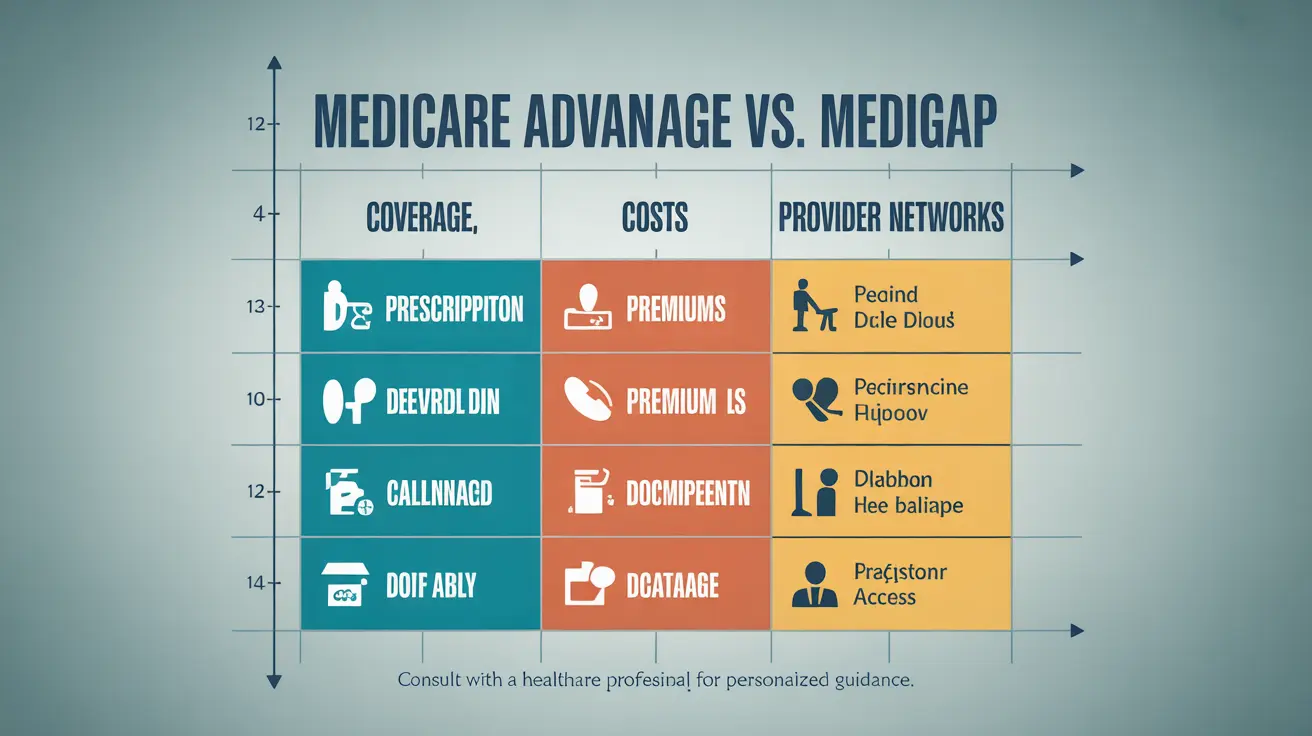

Choosing the right coverage has become an important part of modern financial and healthcare planning. With a wide range of options available, individuals benefit from a clear and structured approach that helps them understand what each plan truly offers. A thoughtful evaluation ensures better balance between cost, flexibility, and reliability.
When individuals take time to compare plans, they gain a clearer understanding of how different options perform in terms of affordability, coverage strength, and flexibility. This simple yet effective process helps uncover the most suitable choice based on personal needs and long-term expectations.
Why is it important to compare plans for better coverage?
Comparing plans is important because it allows individuals to see the real differences between available options. Many plans may appear similar at first, but their benefits, pricing, and flexibility often vary significantly.
A structured comparison helps highlight these differences in a clear and simple way. This ensures that individuals are not choosing blindly but instead making informed decisions based on actual value and suitability.
How does comparing plans help identify affordability?
Affordability becomes clearer when multiple plans are reviewed together. Instead of focusing on one option, individuals can see how costs differ across various choices.
This includes monthly payments, deductibles, and additional charges. By evaluating these factors side by side, it becomes easier to select a plan that fits comfortably within a budget while still offering strong coverage.
Statistical behavior studies show that individuals who compare multiple options tend to make more cost-efficient decisions over time.
What role does flexibility play in choosing a plan?
Flexibility is an important factor because it determines how easily a plan can adapt to changing needs. A flexible plan may allow access to a wider network, adjustable coverage options, or additional benefits when required.
When individuals compare plans, they can quickly identify which options offer greater adaptability. This ensures that the chosen plan continues to remain useful even as personal or medical needs evolve.
How does reliability impact decision-making?
Reliability ensures that coverage performs consistently when it is needed most. A reliable plan provides stable access to services, timely support, and dependable protection during medical situations.
By comparing different plans, individuals can assess which options offer stronger reliability in terms of service availability and coverage consistency. This builds confidence and reduces uncertainty in the long run.
Can comparing plans improve long-term financial stability?
Yes, comparing plans can significantly improve long-term financial stability. When individuals choose a plan that aligns well with their actual needs, they avoid unnecessary expenses and reduce financial strain.
A well-matched plan helps manage healthcare costs more effectively while ensuring essential services remain covered. Over time, this leads to better budgeting and improved financial control.
Why is it helpful to evaluate multiple factors together?
Evaluating multiple factors such as cost, coverage, flexibility, and reliability provides a complete understanding of each plan. Focusing on just one aspect may lead to incomplete decisions.
A balanced evaluation ensures that all important areas are considered together. This leads to more practical and well-rounded choices that deliver better overall satisfaction.
How does comparing plans improve confidence in choices?
Confidence improves when individuals clearly understand what they are selecting. Comparing plans provides clarity by showing direct differences between available options.
When information is structured and easy to understand, individuals feel more secure in their decisions. This reduces doubt and increases satisfaction with the chosen coverage.
What makes a good comparison approach effective?
An effective comparison approach focuses on simplicity and clarity. Instead of analyzing unnecessary details, it highlights the most important aspects that directly affect decision-making.
This includes coverage quality, affordability, flexibility, and reliability. Keeping the process straightforward ensures better understanding and faster decision-making.
Conclusion
Selecting the right coverage becomes much easier when individuals follow a structured comparison approach. By carefully evaluating flexibility, affordability, and reliability together, it is possible to identify options that truly match personal needs. This method supports smarter decisions, stronger financial control, and long-term confidence, ensuring individuals receive the best possible value from their chosen plan.