









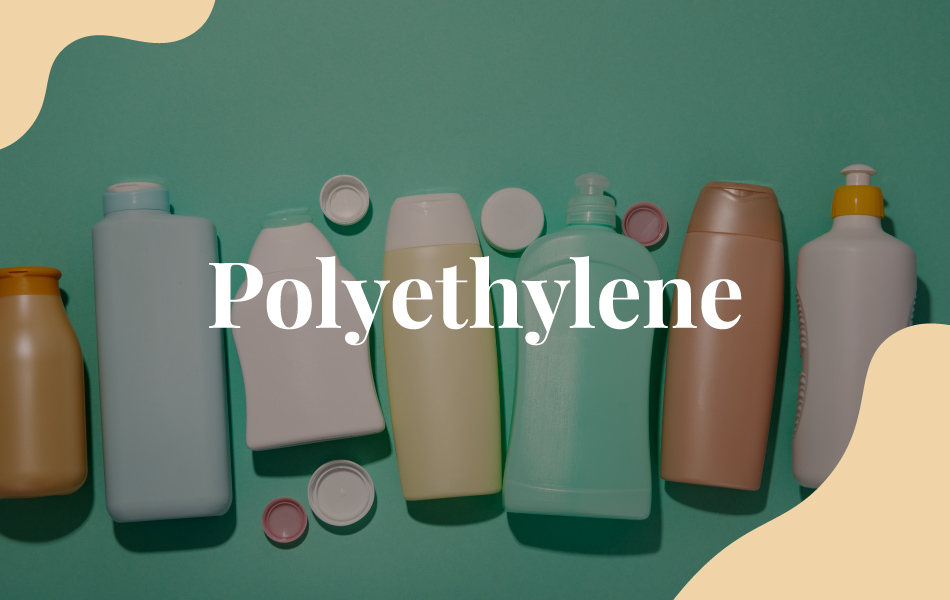
Plastic pollution is a global challenge, with billions of tons of waste accumulating in landfills and waterways each year. Thankfully, advancements in PET (polyethylene terephthalate) recycling offer a promising solution in the fight against plastic waste. PET Recycling plastics, commonly used to make water bottles, food containers, and packaging materials, have a unique property—they’re 100% recyclable. By recycling these materials, we can drastically reduce environmental pollution while unlocking a range of economic and ecological benefits.
This blog explores the lifecycle of PET plastics and highlights the numerous advantages of recycling them.
What is PET and Why Does It Matter?
PET stands for polyethylene terephthalate, a lightweight, durable, and highly versatile type of plastic. Thanks to its strength and transparency, PET is widely used for food and beverage packaging, making up a significant portion of plastic waste across the globe.
Unlike many other types of plastics, PET is fully recyclable, meaning it can be reprocessed into new products indefinitely without losing its integrity or quality. This makes it a standout candidate in addressing the global plastic problem.
The Lifecycle of PET Plastics
Understanding the lifecycle of PET plastics provides insight into how recycling transforms waste into a sustainable resource. Here’s an overview of the PET lifecycle process:
Production and Use
PET is initially manufactured using raw materials, and its properties make it ideal for producing items like bottles, containers, and textiles. After its initial use, PET products often find their way to recycling facilities.
Collection and Sorting
Once used, PET plastics are collected and sorted from other waste at recycling centers. This step is critical to ensure the purity of the recycled product and to maintain its quality.
Cleaning and Processing
After sorting, bottles and other PET items are thoroughly cleaned to remove any contaminants. They are then shredded into small flakes, which are further processed into pellets.
Recycling and Repurposing
The PET pellets are melted and reformed into new products, ranging from bottles and packaging to polyester fibers for clothing and furniture.
Sustainability Loop
These newly created products can re-enter the recycling chain, continuing the PET lifecycle and reducing our dependence on raw materials.
Benefits of PET Recycling
1. Environmental Protection
Recycling PET significantly reduces the volume of waste headed to landfills and oceans. Fewer new plastics mean a decrease in overall pollution, protecting marine ecosystems and wildlife from harm.
2. Energy Conservation
Producing recycled PET requires less energy compared to manufacturing virgin plastic from raw materials. This reduces greenhouse gas emissions, helping combat climate change.
3. Circular Economy
PET recycling promotes a circular economy by encouraging the reuse of materials. By extending the lifecycle of plastics, we reduce reliance on finite natural resources like petroleum.
4. Economic Benefits
Recycling creates jobs in collection, sorting, and processing industries while also lowering production costs for manufacturers who use recycled PET.
5. Consumer Awareness
By participating in PET recycling programs, consumers contribute to sustainability efforts and become more mindful of their environmental impact.
The Bigger Picture
The ability to recycle PET plastics into high-quality products is a game changer in the fight against plastic waste. This not only paves the way for a healthier planet but also fosters innovation, job creation, and long-term sustainability practices. By understanding and supporting the lifecycle of PET plastics through recycling, individuals and industries alike can play a critical role in creating an eco-friendly future.
Whether it’s by sorting recyclables at home, reducing single-use plastics, or supporting products made from recycled PET, every small effort compounds into meaningful change.
