










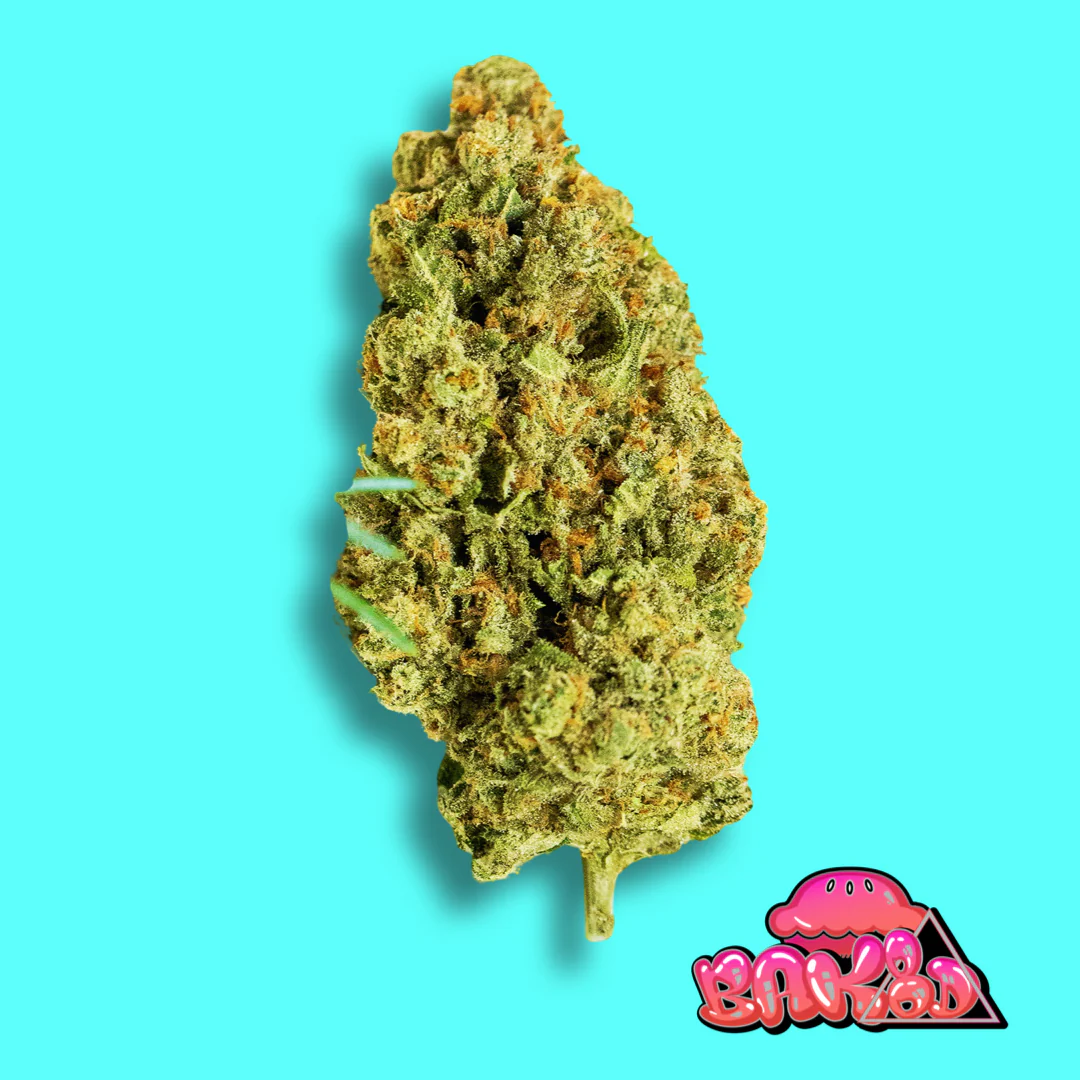
Proper storage of hemp products is crucial for maintaining their quality, potency, and therapeutic benefits. Understanding the factors that affect preservation and implementing appropriate storage methods significantly extend the life of your investment and ensure optimal effectiveness over time. Several environmental factors compromise the potency and freshness of hemp flowers. Light exposure, temperature fluctuations, humidity, and air exposure influence the degradation of cannabinoids and terpenes. These natural compounds are sensitive to their environment, making proper storage essential for maintaining their integrity.
Role of temperature
Temperature control plays a vital role in preserving hemp flower quality. Excessive heat degrades cannabinoids and evaporates precious terpenes, while extreme cold might damage the delicate trichomes that contain these valuable compounds. Maintaining a consistent, cool temperature between 60-70°F (15-21°C) provides optimal conditions for long-term storage.
Humidity considerations
Moisture management is crucial for preventing mould growth while preserving terpene content. The ideal relative humidity range for storing hemp flowers falls between 58-62%. Too much moisture leads to mould development, while insufficient humidity can make the flower brittle and harsh. Using humidity control packs designed specifically for hemp storage can help maintain these optimal conditions.
Light protection matters
Exposure to light, especially UV rays, represents one of the most significant threats to cannabinoid stability. UV radiation breaks down these compounds relatively quickly, reducing potency and altering the product’s effects. Storing hemp flowers in opaque or amber-coloured containers helps protect against light degradation while maintaining product integrity.
Choosing the right container
The selection of appropriate storage containers significantly impacts preservation success. Airtight glass containers provide the best long-term storage environment. These vessels prevent air exposure while maintaining stable conditions inside. Avoid plastic containers, as they affect the flavour and may not provide adequate protection against environmental factors.
Air exposure management
Limiting air exposure helps preserve terpenes and prevent oxidation of cannabinoids. Using appropriately sized containers that match the amount being stored reduces the air space in contact with the flower. Some enthusiasts use vacuum-sealed containers for long-term storage, though these require careful humidity management to prevent crushing the delicate flowers.
Organization and labeling
Maintaining an organized storage system helps track product age and rotation. Proper labelling with purchase dates and strain information ensures older products are used first and helps monitor long-term storage effectiveness. This systematic approach to storage management maximizes the lifetime value of your investment.
The growing popularity of delta 8 buds has led to increased attention on proper storage methods, as maintaining potency and freshness becomes crucial for experiencing optimal effects. Understanding these preservation techniques helps users protect their investment while ensuring consistent quality over time.
Regular monitoring
Implementing a regular monitoring routine helps catch potential issues before they become problems. Checking stored flowers for any signs of degradation, such as colour changes, unusual odours, or visible mould, ensures quick identification of storage problems. This proactive approach helps maintain product quality and safety over time.
Proper storage of hemp flowers requires attention to multiple environmental factors and consistent management of storage conditions. By understanding and controlling these variables, users maintain product freshness and potency for extended periods. This investment in proper storage techniques ensures optimal effectiveness and value from hemp products while preserving their beneficial properties for future use.